

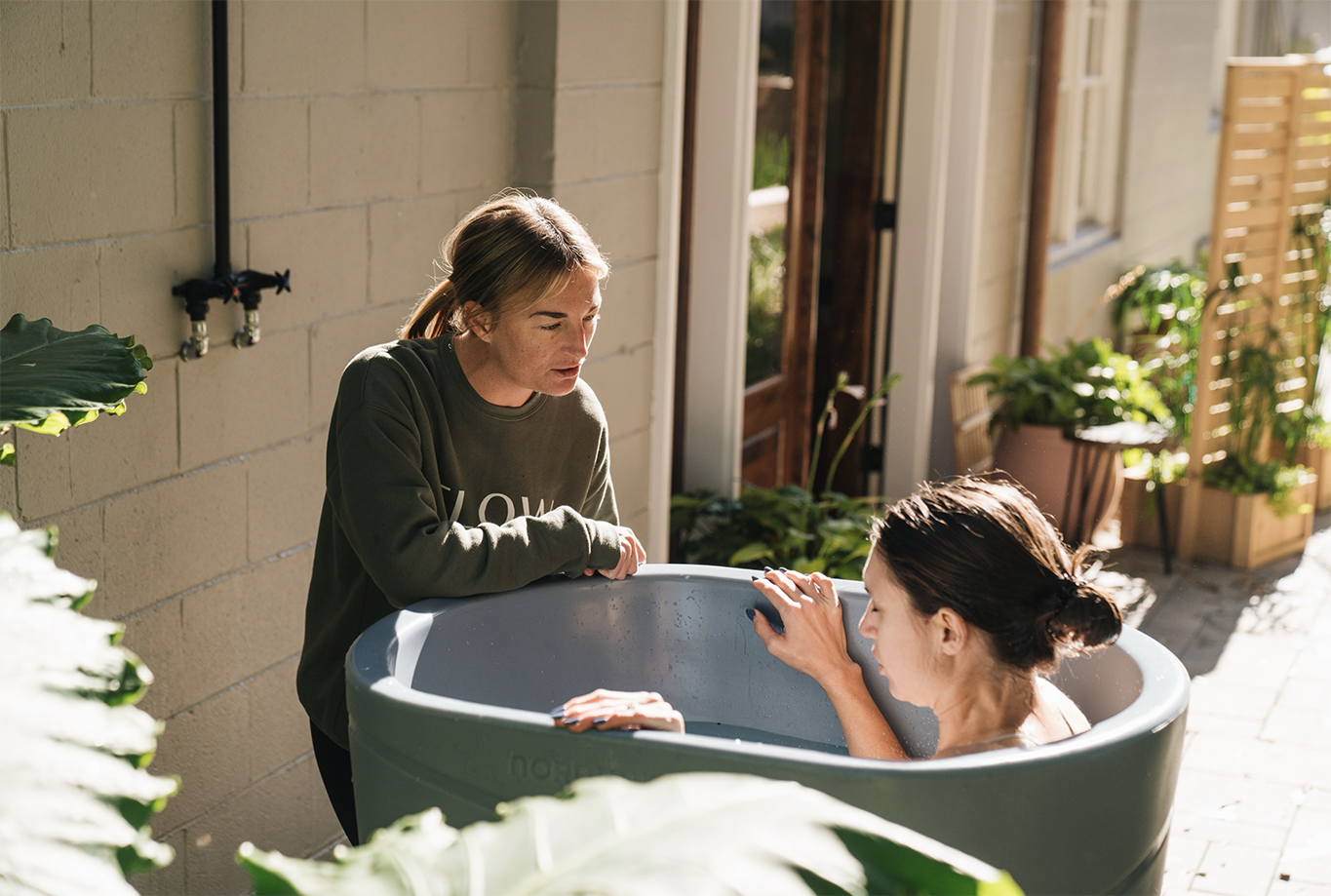
Cold plunging has become a widely discussed recovery and wellness practice, but there are varying opinions on its benefits for women’s bodies. Differences in hormonal rhythms, metabolism, and nervous system response can shape how women experience cold water immersion, and how they benefit from it over time.
When approached intentionally, cold plunging can support mood regulation, metabolic health, circulation, and stress resilience. Rather than being about extremes, it is often most effective as a consistent ritual that helps you build awareness of your body’s signals and recovery needs.
In this guide, we explore what current research suggests about cold plunge benefits for women, along with practical considerations for starting safely and sustainably.
Are Cold Plunges Good for Women?
Cold plunging can be beneficial for women, but the scientific research specifically focused on female physiology is still limited. Most controlled studies on cold water immersion, athletic recovery, metabolism, and nervous system response have historically been conducted using male participants or mixed groups where sex-specific outcomes were not analyzed in depth.
Because of this, researchers are still working to fully understand how factors such as menstrual cycle phase, hormonal contraceptive use, menopause, and differences in body composition may influence cold tolerance and recovery response.
That said, emerging evidence and clinical observations suggest that women can experience many of the same core physiological benefits seen in broader cold exposure research. Studies on cold water immersion have demonstrated improvements in circulation, inflammation markers, mood regulation, and perceived recovery across general populations. These mechanisms apply to women as well, even if the exact magnitude or optimal protocols may vary.
Some smaller or related lines of research provide insight into how cold exposure may uniquely affect women:
- Research on thermoregulation differences shows that women often experience cold more intensely due to variations in muscle mass, body fat distribution, and hormonal fluctuations. This may influence both comfort and adaptation timelines.
- Studies examining brown adipose tissue activation suggest women may have equal or greater potential for metabolic response to cold exposure compared to men.
- Early investigations into cold exposure and mood regulation indicate benefits tied to neurotransmitter release and nervous system resilience, which many women report experiencing in practice.
Because large-scale, women-specific cold plunge studies are still developing, much current guidance also draws from anecdotal experience, sports medicine practice, and emerging wellness research. Many female athletes, trainers, and health professionals report positive outcomes related to recovery, mental clarity, and stress management when cold exposure is used intentionally.
Cold Plunge Benefits for Women
When practiced consistently and intentionally, cold plunging can support multiple aspects of women’s physical and mental well-being. While individual responses vary, many of the underlying physiological mechanisms can contribute to meaningful long-term benefits.
Nervous system support and stress resilience
Modern life places significant demands on women’s nervous systems. Balancing professional responsibilities, physical training, family life, and social obligations can lead to chronic stress and persistent fatigue.
Cold plunging creates a brief, controlled stress response that your body must learn to regulate. Over time, this process may help improve your ability to transition more smoothly between states of activation and recovery.
Learning to remain calm while immersed in cold water also encourages intentional breathing and body awareness, turning each session into a grounding ritual rather than simply a recovery tool.
Noticeable benefits:
- Greater emotional steadiness
- Reduced feelings of overwhelm
- Improved sleep quality
- A stronger sense of physical and mental resilience
Hormonal and inflammatory regulation
Hormones influence nearly every aspect of women’s health, from energy levels and appetite to mood and recovery capacity. While cold plunging is not a direct treatment for hormonal imbalances, it may support endocrine health indirectly by improving circulation and reducing systemic inflammation.
Some women also report that regular cold plunging helps them feel more stable during certain phases of their menstrual cycle, particularly when fatigue or irritability are more noticeable.
Noticeable benefits:
- Lower inflammatory markers following intense exercise
- Improved insulin sensitivity and metabolic signaling
- Potential support for adrenal recovery in periods of prolonged stress
Metabolic activation and temperature adaptation
Cold water immersion activates thermogenesis—the process by which your body generates heat. This response can increase energy expenditure and stimulate brown adipose tissue, which plays a role in metabolic regulation.
Rather than acting as a standalone metabolic solution, cold plunging works best as part of a broader wellness routine that includes movement, nourishment, and adequate rest.
Noticeable benefits:
- Greater metabolic flexibility
- Improved tolerance to temperature changes
- Support for healthy body composition alongside strength training and proper nutrition
- Enhanced endurance recovery
Mood enhancement and mental clarity
Many women describe a noticeable shift in mood and mental focus after cold immersion. This effect is linked to the release of neurotransmitters such as norepinephrine and dopamine, which influence alertness, motivation, and emotional regulation.
Over time, stepping into cold water can become a powerful psychological practice — reinforcing your ability to stay composed in challenging situations both inside and outside the plunge.
Noticeable benefits:
- Increased mental clarity
- Reduced brain fog
- A more positive baseline mood
- Greater confidence in handling physical discomfort
Circulation and recovery support
Cold exposure temporarily constricts blood vessels before encouraging increased circulation during the rewarming phase. This process can help support tissue recovery and reduce post-exercise soreness.
Noticeable benefits:
- Better recovery between workouts
- Managing muscle inflammation more effectively
- Maintaining a more consistent training schedule
- Reduced levels of perceived fatigue
Considerations for Women Before Cold Plunging
Cold plunging can be a powerful wellness and recovery tool, but the experience varies widely between men and women. Taking an intentional approach helps ensure that cold immersion supports your health rather than adding unnecessary stress.
Hormonal fluctuations may influence cold tolerance
Throughout the menstrual cycle, changes in estrogen and progesterone can affect body temperature regulation, perceived exertion, and overall energy levels. Many women find they tolerate cold exposure differently depending on the phase of their cycle.
For example, you may feel more resilient and energized during the follicular phase, while colder temperatures may feel more intense during the luteal phase when your core body temperature is naturally elevated. Paying attention to how your body responds can help you adjust session length or frequency as needed.
Lower muscle mass and body size can affect adaptation
On average, women tend to have less muscle mass and a higher percentage of body fat than men. While body fat can provide some insulation, lower total muscle mass may influence heat production during cold exposure.
This means your body may cool more quickly in cold water, particularly during longer sessions. Starting with shorter immersions and gradually building tolerance allows your thermoregulatory system to adapt safely over time.
Energy availability and metabolic health matter
Cold exposure increases metabolic demand. If you are under-fueled, overtraining, or experiencing high levels of life stress, intense or frequent cold plunging may feel more taxing than beneficial.
Women who prioritize balanced nutrition, strength training, and adequate recovery often experience more positive outcomes from cold immersion. Listening to your hunger cues, sleep quality, and overall energy levels can help guide how often you choose to plunge.
Pregnancy, postpartum, and medical conditions
Women who are pregnant, recently postpartum, or managing certain cardiovascular, endocrine, or autoimmune conditions should consult a qualified healthcare professional before beginning cold exposure practices.
Cold plunging creates rapid changes in heart rate, blood pressure, and circulation. Individualized guidance ensures the experience remains safe and supportive during periods of physiological transition.
Pay attention to your individual response
Ultimately, your experience with cold plunging will be shaped by your unique physiology, training background, stress load, and lifestyle. Signs that your approach may need adjustment include persistent fatigue, disrupted sleep, or increased sensitivity to cold outside of sessions.
How to Start Cold Plunging as a Woman
If you’re new to cold plunging, focus on gradual adaptation rather than pushing intensity too quickly. A consistent, intentional routine helps your nervous system and metabolism adjust while keeping the experience supportive rather than overwhelming.
Start with a warmer temperature
Many women benefit from starting at a slightly warmer range of around 50–55°F (10–13°C). This still provides a meaningful physiological stimulus while allowing your body to adapt comfortably. As your tolerance improves, you can adjust temperature or duration based on how you feel.
Keep sessions short
Your body begins responding to cold exposure almost immediately. For most beginners, 1–2 minutes per session is enough to experience benefits. You can gradually build toward slightly longer immersions over time if it feels sustainable.
Focus on controlled breathing
The initial shock of cold water can trigger rapid breathing. Slowing your breath helps calm your nervous system and allows you to stay present in the experience. Many women find this transforms cold plunging into a grounding mental practice.
Try out the Nordic Flow app for personalized breathwork plans →
Choose timing that supports your energy
Cold exposure may feel different depending on training demands, daily stress, and hormonal fluctuations. Some women prefer plunging after workouts for recovery, while others use morning sessions to boost alertness.
Allow yourself to rewarm naturally
After a session, give your body time to warm up gradually through gentle movement, dry layers, or warm drinks. Avoid jumping immediately into very hot water, which can interrupt the circulatory response associated with cold immersion.
Build consistency
Rather than treating cold plunging as an occasional challenge, aim for 2–4 sessions per week. A steady routine helps reinforce both physical adaptation and mental resilience.
Learn how to add a cold plunge ritual into your routine →
A Ritual That Supports Long-Term Wellness
Cold plunging can offer meaningful physical and mental benefits for many women, from improved recovery and metabolic activation to greater emotional steadiness and focus. While research specifically focused on female physiology is still evolving, the core mechanisms behind cold exposure provide a strong foundation for its potential role in long-term wellness.
If you’re ready to incorporate intentional cold exposure into your wellness routine, The Viking Premier from Nordic Wave makes it easy to begin. Experience full-body immersion, intuitive temperature control, and a calming recovery ritual you can return to throughout the week.

Share: