

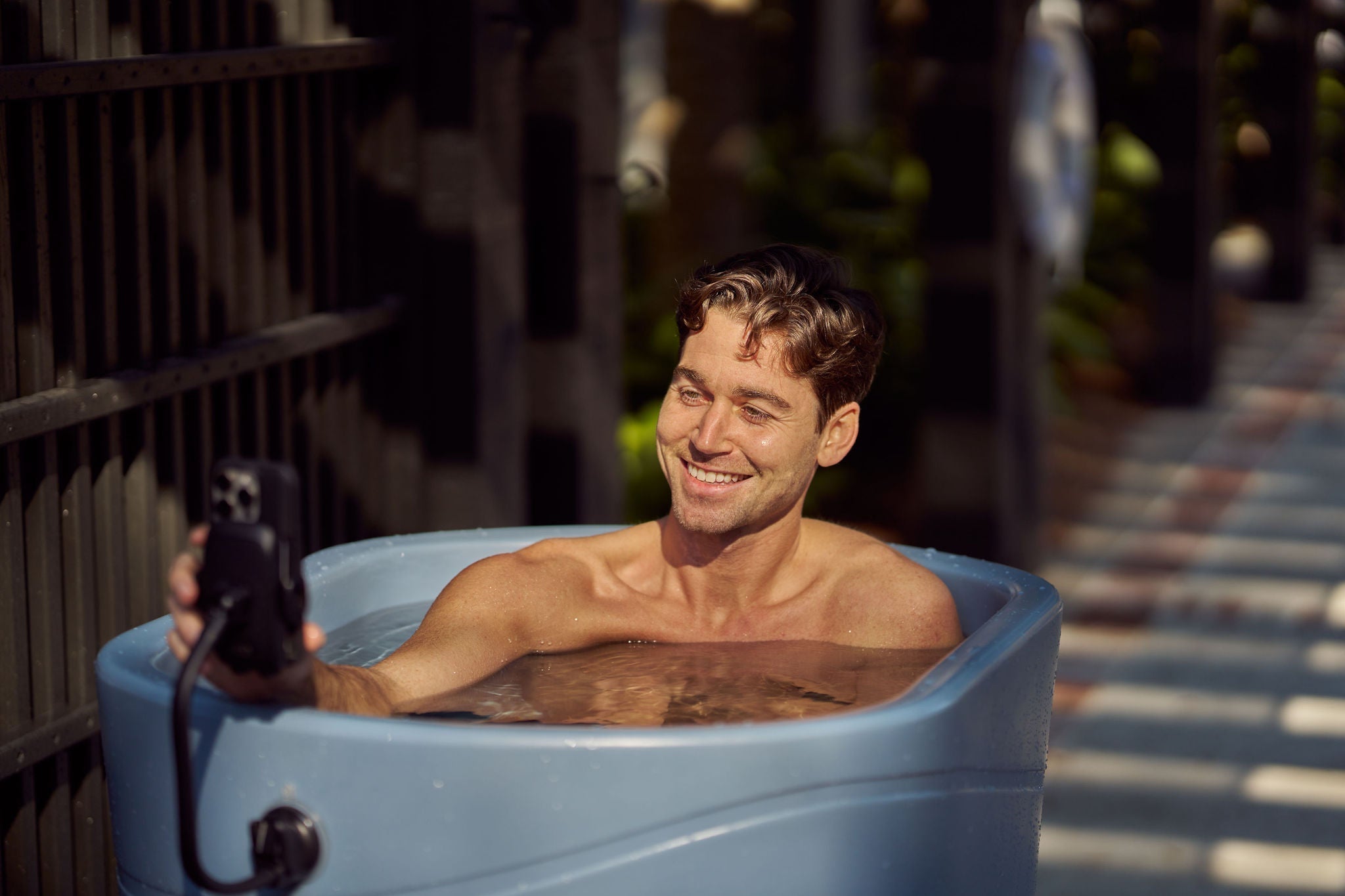
Cold exposure has become one of the most popular recovery practices among athletes, fitness enthusiasts, and wellness seekers. From professional sports teams to everyday gym-goers, more people are experimenting with cold therapy to improve recovery, reduce inflammation, and boost mental resilience. But not all cold exposure is the same.
Many people start with a cold shower because it’s accessible and requires no special equipment. Others turn to cold plunging for a more controlled and intentional recovery practice. So which one actually works better?
While both methods expose the body to cold temperatures, the intensity, consistency, and physiological effects can be very different. Understanding those differences can help you choose the recovery approach that delivers the benefits you’re looking for.
What’s the Difference Between a Cold Shower and a Cold Plunge?
At a glance, both practices involve exposing your body to cold water. However, the type of exposure and how the body responds can vary significantly.
Cold shower
With a cold shower, you’re standing under running water at about 50–70°F, depending on your plumbing system and environment. Because the water constantly moves and only contacts parts of your body at a time, cold showers create short bursts of cold exposure rather than full immersion.
Most people take cold showers for 30 seconds to a few minutes, often at the end of a normal shower.
Cold plunge (or “ice bath”)
A cold plunge involves fully immersing the body in cold water, typically between 40-55°F, for a set amount of time.
Instead of intermittent exposure, cold plunging surrounds your body in cold water all at once. Cold plunges activate your sympathetic nervous system and promote rapid vasoconstriction, which helps increase circulation when your body warms back up.
Cold plunge sessions typically last 2–5 minutes, depending on the water temperature and your experience level.
Why Cold Water Exposure Helps With Recovery
As soon as you enter cold water, your body shifts into a protective mode. Blood vessels near the surface of the skin constrict, pushing circulation toward your core to preserve heat. Your breathing changes, your heart rate increases, and your nervous system becomes more alert.
Once you exit the cold, circulation increases again as your body begins to warm back up. This cycle can help deliver oxygen and nutrients to muscles while clearing out metabolic waste.
Cold exposure is commonly used to support:
-
Reduced muscle soreness after exercise
-
Improved circulation
-
Faster recovery between workouts
-
Increased mental resilience
Both cold showers and cold plunges can activate these responses, but how strongly they do so often depends on the depth and consistency of the cold exposure.
Learn more about the benefits of cold plunging →
The Key Differences Between a Cold Shower vs. a Cold Plunge
While cold showers and cold plunges both expose your body to cold water, the quality of the experience and the physiological response can be quite different. Several key factors determine how effective each method may be for recovery.
Temperature consistency
One of the biggest differences comes down to temperature control. When you take a cold shower, the water temperature depends entirely on your home’s plumbing system. In many cases, what feels “cold” may still be well above the temperatures typically used for cold water immersion.
Cold plunging offers a much more controlled environment. Cold plunge systems are designed to maintain water temperatures within a specific range, usually between 39–55°F. This consistency allows your body to experience a reliable cold stimulus every time you plunge.
When your goal is recovery, that consistency matters. It allows you to repeat the same exposure over time and build a structured cold therapy routine.
Full-body immersion
Another major difference is how much of your body is exposed to the cold at the same time. In a cold shower, water flows over different parts of your body sequentially. Your shoulders might take the brunt of the cold stream, while other areas receive less direct exposure. You may also instinctively shift away from the cold water as your body reacts.
With a cold plunge, your body is immersed in cold water all at once. Your legs, hips, torso, and often your shoulders are all exposed simultaneously. This full-body immersion creates a stronger systemic response in your body, particularly in how circulation shifts and how your nervous system reacts to the cold.
Because the cold surrounds your body rather than passing over it, the cooling effect can reach deeper muscle tissue. This is one reason cold water immersion is commonly used in athletic recovery settings.
Depth of cooling
Cold showers primarily cool the surface of your skin, especially in areas directly under the water stream. Cold plunges allow the cold to reach more of your body at once, and because your body remains submerged, the cooling effect has time to penetrate deeper tissues.
This deeper cooling can contribute to stronger vasoconstriction and more pronounced circulation changes once you exit the water. For people recovering from intense workouts, this can make a meaningful difference in how the body rebounds afterward.
Duration and structure
Cold showers are usually quick and usually a little rushed. You might stand under the water for 30 seconds, step out when it becomes uncomfortable, or adjust the temperature slightly as you go.
Cold plunging tends to be more deliberate. When you cold plunge, you should set a timer and remain immersed for a specific period, usually between 2-5 minutes depending on the temperature and your experience level.
This structure makes it easier to incorporate cold exposure into a consistent recovery routine. Over time, you can track your sessions, gradually adapt to colder temperatures, and build a sustainable practice.
Learn how to cold plunge safely and effectively →
Recovery impact
Research on cold water immersion suggests that full-body immersion can help reduce muscle soreness and support recovery after intense exercise. Because cold plunging surrounds the body in cold water, it produces stronger vasoconstriction and deeper cooling of muscle tissue than brief cold exposure in a shower.
Cold showers can still provide benefits, particularly for alertness and building tolerance to cold. However, they typically produce a milder stimulus compared to full immersion.
Are Cold Showers Good for Anything?
Absolutely! Even brief contact with cold water can stimulate your nervous system, increase alertness, and help your body begin adapting to temperature stress. Many people notice that a short burst of cold water at the end of a shower helps them feel more awake and mentally focused.
Cold showers can also be a practical way to start building tolerance to cold. As your body encounters colder temperatures, you learn to regulate your breathing and remain calm while your nervous system adjusts to the sudden change. Over time, this adaptation can make longer or colder exposures feel more manageable.
For many people, ending a normal shower with 30–60 seconds of cold water is an easy entry point into cold therapy. As your comfort level grows, you may find yourself wanting a more immersive and structured experience—which is where cold plunging often becomes the next step.
When a Cold Plunge Makes More Sense
Cold plunging tends to make the most sense when you want to use cold exposure intentionally as part of a recovery or wellness routine.
Cold plunges are especially useful for:
-
Athletes recovering from intense training
-
Individuals dealing with muscle soreness
-
Anyone building a deliberate cold exposure practice
Because the temperature and duration are controlled, cold plunging allows you to create a repeatable recovery ritual rather than relying on the variability of a shower.
Turning Cold Exposure Into a Consistent Recovery Practice
Cold showers and cold plunges both introduce the body to cold exposure, but they deliver very different experiences. Cold showers are accessible and can be a great introduction to cold therapy. Cold plunging offers a more controlled and immersive approach, allowing you to maintain specific temperatures and follow structured recovery protocols.
If you're ready to experience the full benefits of cold water immersion, explore Nordic Wave’s cold plunge systems, designed to deliver consistent temperatures, clean water circulation, and a comfortable cold therapy experience.
Want to learn more about cold plunging? Try our Cold Plunge Beginners Course for free →
You might also like:
Share: