

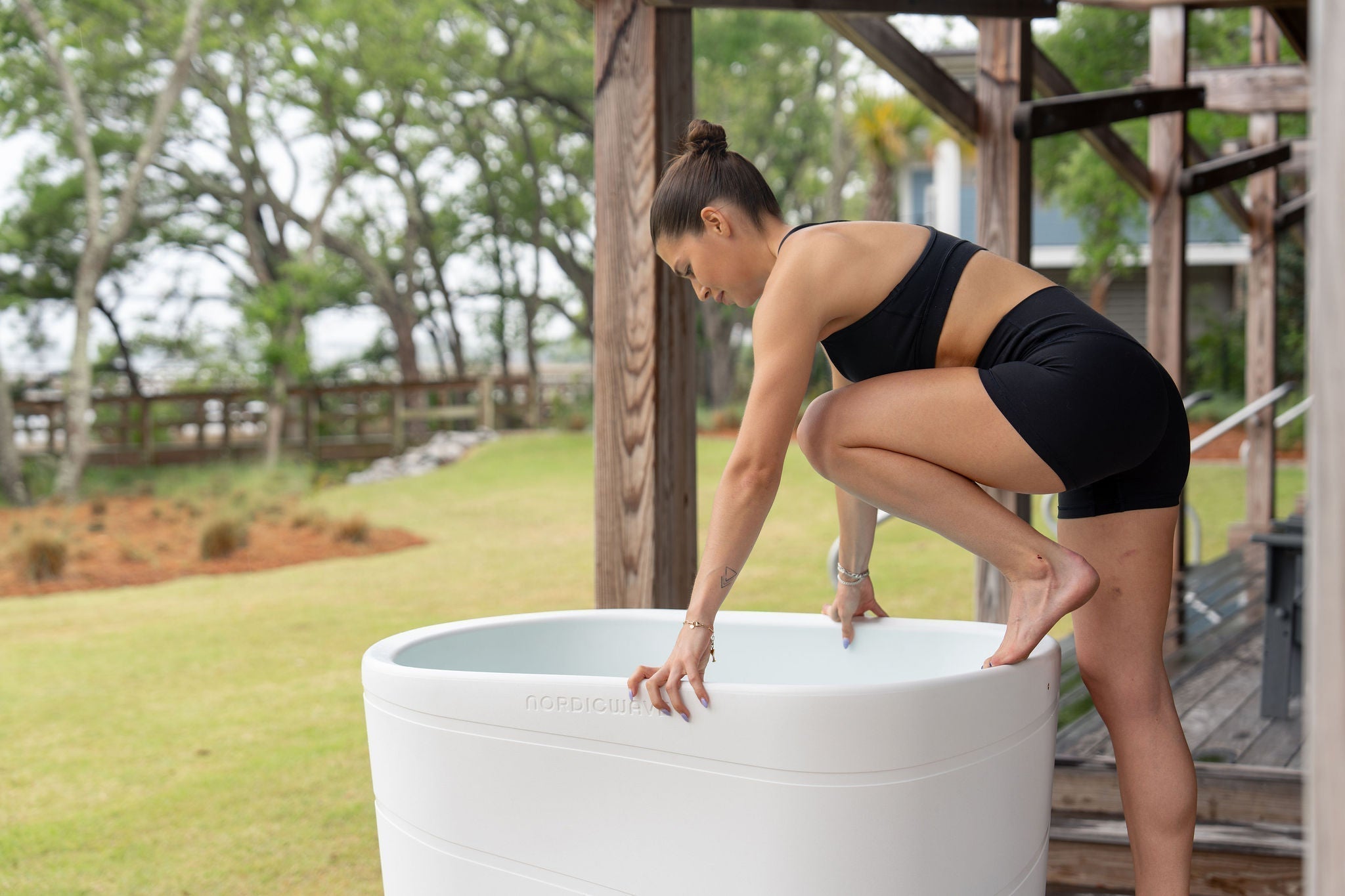
How to Do a Cold Plunge Correctly: Step-by-Step
To effectively cold plunge, start with controlled breathing before entering, ease yourself in gradually, maintain a comfortable posture, aim for a duration of 2-5 minutes at temperatures between 50-59°F, and exit gently to warm up afterward. Consistency is more crucial than extreme cold or long sessions for optimal benefits.
Cold plunging has moved from a niche recovery tool to a mainstream wellness practice. But as interest grows, so does confusion.
Cold exposure works through controlled stress. When duration and frequency are calibrated correctly, the body adapts by improving circulation, strengthening stress tolerance, and enhancing recovery efficiency. When overused, it can create unnecessary strain.
The key is finding the right balance for your experience level, recovery capacity, and goals. This guide outlines a practical, sustainable cold plunge protocol, one built around consistency, regulation, and long-term resilience.
How Long Should You Cold Plunge?
For most people, the optimal cold plunge time falls between 2-5 minutes per session, depending on experience level, water temperature, and overall recovery capacity.
Cold water immersion triggers a rapid physiological response. Within seconds of entering cold water, your heart rate increases, breathing rate rises, and peripheral blood vessels constrict. An accelerated stress response is the goal, and it doesn’t take long at all.
Most beginners start out plunging for about 1-2 minutes at a time, gradually building up to 3 minutes or more. For most people, 3 minutes is more than enough to activate the benefits of cold exposure without overloading their system.
|
Beginner |
Intermediate |
Experienced |
|
|
Duration |
1-2 minutes |
2-4 minutes |
3-5+ minutes |
|
Temperature |
50-55°F |
45-50°F |
45°F |
|
Focus |
Breath control and nervous system adaptation |
Emphasis on maintaining steady breathing throughout |
Calm entry, stable breath, and controlled exit |
When approached intentionally, building up to a regular cold plunge ritual helps boost resilience and recovery so you can make feeling good a daily habit.
Discover the importance of breathwork when taking a cold plunge →
Why longer isn’t necessarily better
Short-term cold therapy has proven to have far greater benefits than the alternative. Cold plunging is a hormetic stressor, meaning benefits arise from moderate, controlled exposure.
Excessive cold therapy exposure can:
-
Increase cumulative stress load
-
Elevate cortisol unnecessarily
-
Disrupt sleep if sessions are too long or too late in the day
-
Interfere with strength adaptations when overused immediately after heavy resistance training
Short, frequent cold plunges are far more advantageous to your health than long, intense ones.
How Often Should You Cold Plunge?
For most people, cold plunging 2-4 times per week provides a sustainable balance between adaptation and recovery.
Cold exposure activates the sympathetic nervous system before stimulating a parasympathetic rebound. Consistent practice can improve your stress tolerance and recovery efficiency. However, because cold immersion is still a physiological stressor, frequency matters.
Most beginners start with 2-3 sessions per week, allowing the body time to adapt between exposures. As tolerance improves, many practitioners increase to 3-4 sessions per week without negative effects.
For the majority of people, consistency at a moderate frequency delivers better long-term results than daily high-intensity exposure.
|
Beginner |
Intermediate |
Experienced |
|
|
Frequency |
2-3 times per week |
3-4 times per week |
Up to 5 times per week |
|
Goal |
Focus on comfort and consistency |
Monitor sleep quality and overall recovery |
Maintain steady energy and mood as primary indicators |
|
Considerations |
Allow at least one recovery day between sessions |
Adjust frequency based on training demands |
Shorter durations may be appropriate at higher frequency |
Cold plunging should be a natural part of your routine, not disruptive. When sessions leave you feeling clear and steady, it’s a sign you’re on the right track.
Can you cold plunge every day?
Daily cold plunging can be effective for some people, particularly when sessions are kept moderate in duration and temperature. But you don’t need daily exposure to experience the benefits of cold plunging.
If you choose to cold plunge every day:
-
Keep sessions shorter (1-3 minutes)
-
Avoid extreme temperatures
-
Pay attention to sleep, mood, and training performance
-
Reduce frequency if fatigue accumulates
Neuroscient Dr. Andrew Huberman, Ph.D., recommends aiming for 11 minutes of total cold exposure in a week, spread over multiple sessions, to maximize benefits.
Cold exposure works best when it enhances your recovery and mental clarity. If it begins to feel depleting rather than restorative, scale back in frequency or duration.
The Three Phases of Cold Adaptation
Cold plunging is not just about minutes and frequency. Over time, your body and nervous system move through identifiable stages of adaptation. Understanding these phases helps set realistic expectations and prevents unnecessary escalation.
Phase 1: Initial Exposure
You’ll notice a strong stress response when you first start. Heart rate rises quickly, breathing becomes shallow, and the urge to exit is immediate. For beginners, this phase may last several sessions or even a few weeks.
We recommend:
-
1–2 minutes per session
-
2–3 times per week
-
Water temperature closer to 50–55°F
Focus on:
-
Breath control
-
Calm entry
-
Short, repeatable exposures
The goal during this phase is familiarity. Your nervous system is learning that cold exposure is temporary and controlled.
Phase 2: Regulation
When you start to adapt, the initial shock response becomes shorter and more manageable. You’ll notice your breathing steadies quicker and the fear of “getting in” isn’t as strong.
We recommend:
-
2-4 minutes
-
3-4 times per week
-
45–50°F
Focus on:
-
Maintaining steady breathing throughout
-
Monitoring overall recovery
-
Building consistency
This phase is where many people begin to experience improved stress tolerance outside of the plunge itself.
Phase 3: Integration
At this stage, cold exposure becomes routine. Your body has started to anticipate the stimulus. Your entry is calmer and more controlled, and you feel revitalized after each plunge.
We recommend:
-
3-5 minutes
-
3-5 times per week, depending on recovery
-
45°F or slightly below
Focus on:
-
Consistency over escalation
-
Supporting recovery, not testing limits
-
Adjusting duration or frequency based on overall stress load
Integration does not mean pushing extremes. It means the practice becomes sustainable, a ritual you can and want to maintain long-term.
How to Start Cold Plunging
Starting a cold plunge routine is simple, because starting small is one of the most effective ways to build a sustainable practice.
Cold exposure is powerful precisely because it works quickly. Your body doesn’t need dramatic conditions to begin adapting. What it needs is consistency and control. Here’s how to get started.
1. Start warmer than you think
Many beginners assume colder is better. It isn’t.
Begin with water temperatures between 50–55°F. This range is cold enough to trigger adaptation while remaining manageable. As your tolerance improves, you can gradually decrease the temperature if desired. There is no benefit to overwhelming your nervous system on day one.
2. Keep sessions short
For your first few weeks, limit sessions to 1–2 minutes, two to three times per week. This allows your body to adapt without creating unnecessary stress. Over time, you can gradually increase duration toward the 2–3 minute range as comfort improves. Building tolerance slowly leads to better long-term consistency.
3. Focus on breathing first
The initial shock response is normal. You’ll notice your breathing may become rapid or shallow. Rather than resisting this, shift your attention to slow, controlled breathing:
-
Inhale through the nose
-
Lengthen the exhale
-
Relax your shoulders and jaw
Once your breathing steadies, your nervous system begins shifting toward regulation, where much of the benefit occurs.
Try out the Nordic Flow app for personalized breathwork plans →
4. Exit before exhaustion
End the session while you still feel in control. Cold plunging should leave you alert and grounded, not shaky or drained. If you consistently feel depleted afterward, shorten the duration or increase the water temperature.
A good session is one you can repeat tomorrow.
5. Establish a routine
Cold plunging becomes easier when it’s predictable.
Many people find success incorporating it:
-
In the morning to boost focus
-
After training sessions (with moderate duration)
-
As part of a wind-down ritual earlier in the evening
Choose a time that fits your schedule and energy levels. Consistency matters more than timing.
Cold Plunge Tips for Long-Term Results
Cold plunging delivers the greatest benefits when it becomes a consistent practice rather than an occasional challenge. Here’s how you can support sustainable adaptation.
Prioritize consistency over intensity.
Short, repeatable sessions are more effective than occasional extreme exposures.
A 2-3 minute plunge performed several times per week will produce more reliable adaptation than sporadic 6-8 minute sessions. Cold exposure works through cumulative stimulus, not single-session endurance.
Adjust one variable at a time.
Avoid increasing duration, frequency, and temperature intensity simultaneously.
If you extend your session time, keep frequency stable. If you increase frequency, reduce duration slightly. Gradual adjustments allow the nervous system to adapt without unnecessary stress accumulation.
Pay attention to recovery signals.
Cold plunging should enhance recovery, not compromise it.
Keep an eye on your:
-
Sleep quality
-
Resting energy levels
-
Mood stability
-
Training performance
Persistent fatigue or irritability may signal excessive exposure. Scaling back typically restores balance quickly.
Time sessions strategically.
Cold exposure can be stimulating.
Morning sessions often support alertness and focus. Post-training sessions may assist perceived muscle soreness when kept moderate. Late evening sessions should be shorter and less intense to avoid interfering with sleep.
Make it easy to repeat.
Environment influences consistency.
Reliable temperature control, clean water, and minimal setup reduce friction and make cold plunging easier to sustain. When the process feels simple, adherence improves, and long-term results follow.
Make Your Own Cold Plunge Ritual
You don’t need long sessions or extreme temperatures to benefit from a cold plunge. Cold exposure works best when it becomes repeatable. Calm entry, steady breathing, and controlled progression create lasting adaptation.
When integrated thoughtfully, cold plunging shifts from a short-term challenge to a sustainable ritual—one that supports resilience, clarity, and recovery over time.
If you're ready to establish your own cold plunge ritual, make it easy with The Viking from Nordic Wave. Full body immersion, minimal footprint, and a superior recovery experience in your own home.
Frequently Asked Questions
How long should you cold plunge?
Most people benefit from 2–10 minutes per session. Beginners should start at 2–3 minutes and build gradually. Staying under 10 minutes is sufficient to trigger the key physiological benefits — longer is not better.
How often should you cold plunge?
3–5 sessions per week is the evidence-supported sweet spot for most people. Daily plunging is safe for experienced practitioners, but recovery goals (muscle soreness, sleep, stress) are well-served by every-other-day sessions.
What temperature should a cold plunge be?
50–59°F (10–15°C) is the effective range for most cold exposure benefits. Beginners can start closer to 60°F and lower the temperature as cold tolerance builds.
What are the benefits of cold plunging?
Cold plunging can enhance your recovery efficiency and improve stress tolerance with just 2-5 minutes at temperatures between 50-59°F. It's not about extreme cold or long sessions—consistency is key! Regular cold exposure can transform a once-niche recovery tool into a mainstream wellness ritual that boosts your resilience.
How long should I cold plunge for optimal benefits?
For most people, the optimal cold plunge time falls between 2-5 minutes per session. Beginners often start with 1-2 minutes and can gradually build up to 3 minutes or more. Remember, it's the consistent practice that yields long-term results, not excessive durations.
How often should I do cold plunges?
It's recommended to cold plunge 2-4 times per week to balance adaptation and recovery. Beginners might start with 2-3 sessions per week, while more experienced practitioners can increase to 3-4 times as they adapt. The goal is to establish a routine that feels natural and sustainable.
What should I focus on during a cold plunge?
As you begin into cold plunging, focus on controlled breathing and maintaining a comfortable posture. This helps in regulating your nervous system while ensuring a calm entry and stable exit. Your body's ability to adapt to the cold will improve over time, making the experience more beneficial.
You might also like:
Share: