

Why Your Cold Plunge Chiller Is the Smartest Appliance in Your Home
So, you just bought a cold plunge chiller.
Now, you’re doing the math: How much will this electricity bill be?
But that’s not the right question.
Instead, ask yourself: "How much am I saving compared to the alternative?"
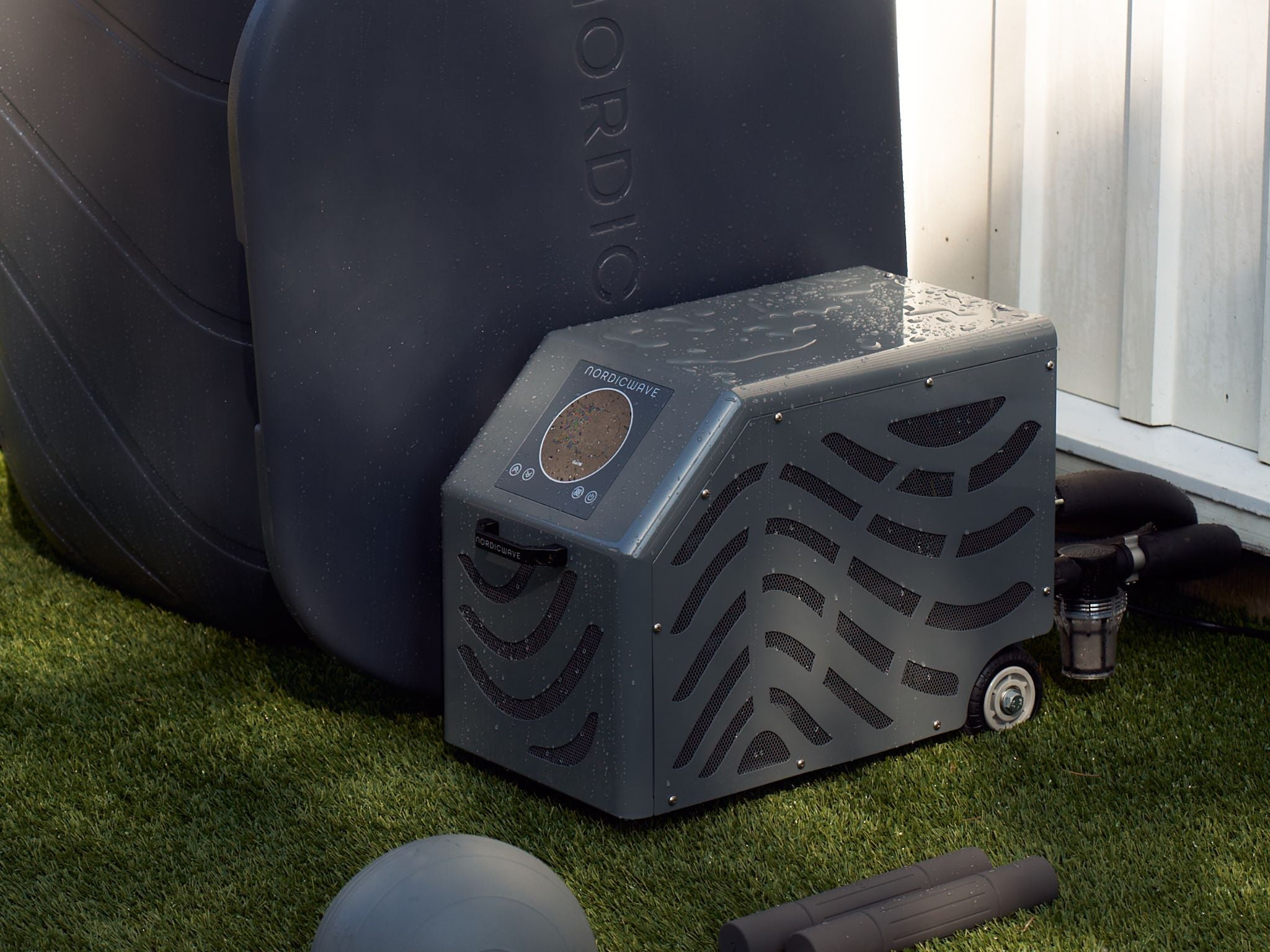
A purpose-built chiller — like the Gen 2 system in The Viking — is engineered for energy efficiency, consistent cooling, and low-maintenance operation. They’re precise.
Most cold plunge owners who pay for ice bags, DIY setups, and inferior units actually spend more over time (and that’s before you even think about time, inconvenience, and water hygiene).
Cold plunge chillers might be costly upfront, but they pay back in spades through long-term ROI. It’s a real home wellness investment.
How a Cold Plunge Chiller Actually Works
A chiller is a refrigeration unit that circulates water through a cooling system to maintain a set temperature (usually between 39°F and 60°F). It runs on demand: cycling on when temperature drifts, and off when it stabilizes.
A water chiller can keep a consistent temperature, where ice bags cannot.
What you should look for when you’re comparing cold plunge chillers:
- Insulation quality
- Ambient temperature (the temperature outside)
- BTU (British Thermal Unit) rating
You can also look for ozone filtration (standard in The Viking's Gen 2 Chiller) — a clinically proven sanitation method — in a chiller, which keeps water clean without constant chemical treatment. That reduces both maintenance overhead and water change frequency.
The Viking's full insulation — from walls to chiller — is specifically engineered to minimize temperature drift, which means the chiller cycles on less, uses less power, and extends its own lifespan.
Think of it this way: A well-insulated unit that’s kept in a temperature-controlled space runs far more efficiently than a poorly insulated barrel in a hot garage.
Cold Plunge Chillers vs. Ice Bags
Costs will always range based on your cold plunge, its location, and frequency of use. Ambient temperature, water volume, insulation, and initial temperature factor in too.
A chiller-based cold plunge usually costs between $1–$3/day to run (which is way less than the monthly cost of ice delivery or a club membership). Purpose-built chillers can extend the lifespan of your equipment by cutting back the thermal stress on the tub.
When you do use ice bags, it also introduces other variables you can’t control: inconsistent temperature, hygiene concerns, and time lost setting it up.
You’re making an investment in your long-term health.
The question should never be “Is this too expensive?” Instead, ask yourself: "What does it cost to not do this consistently?"
Why Consistency Is the Real ROI
The cold plunge works when you make it part of your routine.
It’s only through routine and daily practice that your physiology shifts — in stress resilience, dopamine baseline, sleep quality, and autonomic nervous system regulation.
A chiller actually makes your consistency effortless. For example, The Viking’s praised for its temperature stability and ease of use — two features that transform occasional users into daily practitioners.
And certain features can make that practice feel even easier and more effective: The Gen 2 Chiller has Wi-Fi connectivity so you can monitor the plunge’s temperature before you dive in.
We built The Viking to be the last cold plunge you buy — and that’s because the chiller is built to work and last.
The most efficient cold plunge is the one you actually use every day.
FAQs
How much does it cost to run a cold plunge chiller?
A chiller-based cold plunge typically costs $1–$3 per day to run. Your exact cost depends on insulation quality, ambient temperature, water volume, and usage frequency. Purpose-built chillers minimize those costs by design.
How does a cold plunge chiller actually work?
A chiller circulates water through a cooling system to hold a precise temperature — usually between 39°F and 60°F. It cycles on when the water drifts and off when it stabilizes, keeping every plunge consistent and ready.
You Might Also Like:
Cold Plunging for Women: Benefits for Hormones, Metabolism, & Mood
Cold Plunge vs. Cold Shower: Which is Better for Recovery?
The Intentional Cold Plunge Protocol: How Long, How Often, and How to Do It Right
Share: