

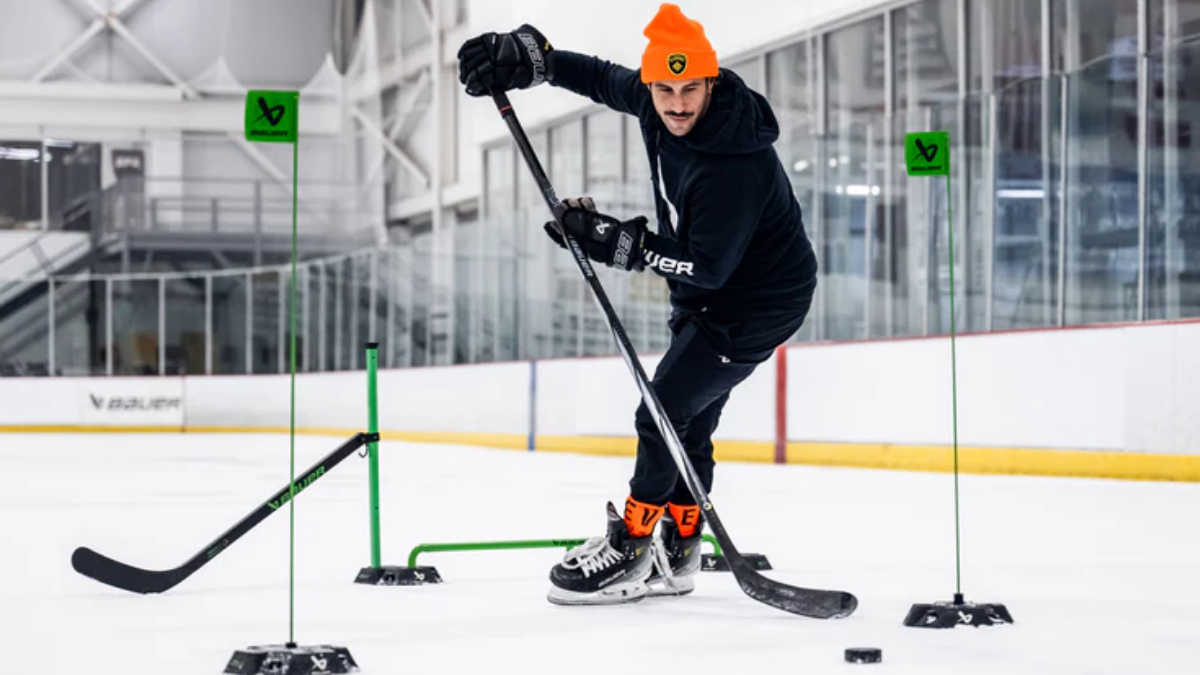
If you struggle to keep up with your health routines, you're not alone.
Alec Martinez, a three-time Stanley Cup champion, has spent nearly two decades figuring out how to maximize his performance and his career on and off the ice. The answer isn’t grinding harder or pushing through the pain — it's about building daily rituals that you share with your team and your family.
His insights reveal why going it alone rarely works — and how building shared rituals changes everything.
Key Takeaways from a Stanley Cup Champion
• Community makes habits stick.
• Flexibility beats perfection.
• Your daily actions determine long-term performance.
Why Community Makes Health Habits Stick
Human beings have trouble building new habits, especially when they’re doing it alone.
"The availability of recovery features is there," Martinez explains. "I think the biggest bottleneck or the constraint is whether a guy wants to do it."
Even when professional hockey teams invest heavily in state-of-the-art recovery facilities—cold plunges, compression therapy, massage rooms—just having that access doesn't guarantee players will use them, much less consistently.
The missing ingredient isn't better equipment or stronger willpower. It's community.
Martinez found that the rituals that stuck weren't the ones he forced himself to do alone — they were woven into the fabric of his daily life, with teammates who shared the same commitment.
"If you have a good culture in the room, guys pull each other into that," Martinez says. "Rarely was I ever in the cold tub by myself."
And that’s important, because if people don’t share these experiences, they’re missing out on all kinds of opportunities: lengthening careers, reducing injuries, improving performance, building competitive advantages.
A sense of shared commitment transforms a chore into a ritual.
It’s peer pressure, but a good kind. It’s peer pressure that creates an environment where healthy choices feel natural, fulfilling, and fun.
Making Recovery Routines Work During Travel and Busy Schedules
Travel, busy schedules, and competing priorities can threaten your usual health and recovery routines.
Martinez adapted by building flexibility into his approach. When he traveled, his practice didn’t stop — it evolved.
"Half my suitcase turned into a training room," Martinez says. "I would pack very minimal clothing, and then the other half would be my Normatec, my red-light therapy PEMF mat, a travel pillow… things like that."
When his usual routine wasn’t available, he’d find alternatives: a cold shower instead of a cold plunge, or arriving early to access different facilities.
"They can't just put a gun to your head and say, 'Get in the cold tub,'" Martinez says. "You have to take the initiative, and that's part of being a pro."
The goal isn't perfection or rigid adherence to a specific routine. It's about having core practices that you can modify based on circumstances — whether that's a hotel room, a busy week, or competing priorities.
Over his career, Martinez has seen the wellness industry realize that these daily rituals aren't just about immediate performance — they're investments in longevity.
"Even just how they treated a concussion at the beginning of my career versus how they treat it now is the polar opposite, right?" Martinez says. "The equipment, like skate blades, are dangerous. Right? So then, they've come out with these materials technology where they have these textiles—now they make cut-resistant socks and wrist guards and things like that."
Science and research keeps evolving to help people perform better, for longer.
There are constantly new ways to support our bodies and minds for the long haul, but the fundamental principle remains the same: that the actions you consistently do today determine your future health. And the habits that last are the ones you build with others.

Creating Your Own Health Rituals
So how do you actually build practices that stick? Martinez's experience offers a few guiding principles:
Find your accountability partner. This could be a workout buddy, a friend who's also trying to build better habits, or a group fitness class that fills up your calendar. The key is finding someone, or a group of people, who share your commitment and will help you stay consistent.
Make it social, not just disciplined. Look for enjoyable recovery practices that foster connection. Maybe that's a weekly stretching session with friends, a cold plunge meetup, or a post-workout coffee tradition. When these practices deepen relationships, they’ll feel less like obligations, and you'll keep coming back.
Build in flexibility from the start. Design your core practices so they can adapt to different circumstances. What's your backup plan when you can't make it to your usual class? What's the simplified version you can do when you're traveling or extra busy? Sustainability comes from adaptation, not rigid perfection.
What's often missing isn't information or resources — it's connection. Health isn't an individual sport, and sticking to it calls for community.
FAQs
How can you adopt consistent recovery practices?
Look for workout classes with involved members, start a weekly recovery ritual with a friend (even virtually), or join online communities focused on practices like cold therapy or mobility work. The key is finding any group where shared commitment creates a sense of accountability.
How do I keep at my practice when I’m busy or traveling?
Build your core practices with a partner who has a similar schedule, or create flexible plans. Maybe you can't meet in person every day, but you could move together over a video call, or check in via text. The commitment is what matters.
Why is doing this with others more effective than just tracking my habits or using an app?
Apps provide data, but humans bestow movement with meaning. When another person is counting on you — or when you're meeting someone for an activity instead of forcing yourself to do it alone — you're building relationships and creating experiences that make the habit intrinsically rewarding.
Ready to build your own recovery ritual? Explore Nordic Wave cold plunges
Share: